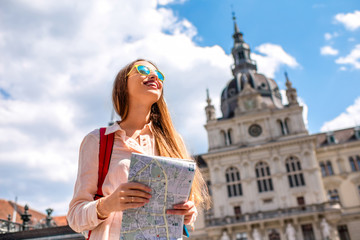
Traveling has become one of the most rewarding ways for people to experience relaxation, adventure, education, and personal growth. Whether it involves short weekend trips, long vacations, solo adventures, or family holidays, traveling offers opportunities to break away from daily routines and explore unfamiliar environments. Beyond sightseeing and entertainment, travel allows individuals to experience different cultures, lifestyles, foods, and perspectives that can leave lasting impressions long after the journey ends.
Modern travel is more accessible than ever due to improved transportation options, digital booking systems, and the growing popularity of tourism. However, successful travel experiences still require careful planning, budgeting, and preparation. From selecting destinations and accommodations to managing schedules and travel essentials, every detail contributes to creating a smooth and memorable trip. For many people, traveling is not simply about reaching a destination. It is about discovering new experiences, creating memories, and gaining a broader understanding of the world.
The Importance of Traveling in Modern Life
Traveling provides an important escape from the stress and repetition of everyday responsibilities. Many individuals spend most of their time focused on work, routines, and obligations, leaving little room for relaxation or exploration. Travel offers an opportunity to recharge mentally and physically while experiencing something different from ordinary daily life.
One of the greatest benefits of traveling is exposure to new environments and perspectives. Visiting unfamiliar places often encourages adaptability, curiosity, and open-mindedness. Travelers may encounter different traditions, cuisines, lifestyles, and forms of communication that broaden their understanding of how people live and interact.
Traveling also strengthens relationships and creates shared experiences. Families, couples, and groups of friends often use vacations as opportunities to reconnect and spend meaningful time together away from distractions. Shared adventures and experiences frequently become some of the most memorable moments in people’s lives.
Planning a Successful Trip
A successful travel experience begins with proper planning. While spontaneous trips can be exciting, organized preparation helps reduce stress and avoid unnecessary complications. Travel planning involves budgeting, booking transportation, arranging accommodations, and preparing schedules that match the goals of the trip.
One of the first steps in travel planning is identifying the purpose of the journey. Some travelers prioritize relaxation, while others seek adventure, outdoor recreation, shopping, or cultural exploration. Understanding travel goals helps guide decisions regarding destinations, accommodations, and activities.
Important parts of travel planning often include:
- Setting a realistic travel budget
- Booking transportation and accommodations
- Organizing travel documents and essentials
- Researching activities and attractions
- Preparing flexible itineraries
Travelers should also leave room for spontaneity and unexpected opportunities during the trip. Overloading schedules with too many activities can create stress and reduce enjoyment.
Budgeting for Travel Expenses
Financial preparation is one of the most important aspects of traveling. Without a realistic budget, travel expenses can quickly become overwhelming. Transportation, accommodations, dining, entertainment, and shopping all contribute to the overall cost of a trip.
Creating a travel budget helps individuals manage spending while still enjoying their vacation. Many travelers make the mistake of focusing only on major expenses while overlooking smaller purchases that accumulate over time.
Common travel expenses may include:
- Flights or transportation costs
- Hotel or accommodation fees
- Food and beverage expenses
- Entertainment and activities
- Emergency and miscellaneous spending
Travelers can often reduce costs by booking reservations early, traveling during less crowded seasons, and comparing prices across multiple options. Budget-friendly travel does not necessarily mean sacrificing comfort or enjoyment. Careful planning can help maximize value while staying within financial limits.
The Benefits of Exploring New Cultures
One of the most enriching aspects of traveling is experiencing different cultures and traditions. Cultural exploration allows travelers to gain insight into lifestyles, values, and customs that may differ from their own experiences.
Trying local foods, observing traditions, and interacting with people from different backgrounds can create a deeper appreciation for cultural diversity. These experiences often encourage empathy and understanding while helping travelers develop broader perspectives about the world.
Travel also creates opportunities for learning outside traditional educational settings. Historical landmarks, museums, local markets, and traditional performances can provide valuable cultural and historical knowledge in engaging and memorable ways.
For many travelers, cultural experiences become the most meaningful part of the journey because they create emotional connections and memorable stories that last far beyond the trip itself.
Packing Smart for Comfortable Travel
Efficient packing is another important factor in creating a smooth travel experience. Overpacking can create unnecessary inconvenience, while underpacking may lead to avoidable stress during the trip. Smart packing focuses on practicality, comfort, and organization.
Travelers should consider climate conditions, planned activities, and trip duration when preparing luggage. Lightweight and versatile clothing items are often the most practical choices because they reduce baggage weight while offering flexibility.
Essential travel items usually include:
- Identification and travel documents
- Comfortable clothing and footwear
- Personal hygiene products
- Chargers and electronic devices
- Medications and emergency supplies
Using packing organizers and travel checklists can help travelers stay organized and prevent forgotten essentials. Keeping important items accessible during transportation also improves convenience and efficiency.
Health and Wellness While Traveling
Maintaining physical and mental well-being during travel is essential for enjoying the overall experience. Long travel days, changing schedules, and unfamiliar environments can sometimes affect sleep, hydration, and energy levels.
Travelers should prioritize healthy habits such as staying hydrated, getting enough rest, and maintaining balanced meals whenever possible. Ignoring basic wellness needs can lead to fatigue, stress, and reduced enjoyment during the trip.
Physical activity can also enhance travel experiences. Walking tours, hiking excursions, swimming, and outdoor exploration allow travelers to remain active while discovering new environments.
Important wellness habits during travel include:
- Drinking enough water throughout the day
- Allowing time for rest and recovery
- Eating balanced and nutritious meals
- Managing stress and avoiding exhaustion
- Practicing safety and awareness in unfamiliar environments
Maintaining a balanced approach helps travelers feel energized and prepared for activities throughout the journey.
How Traveling Encourages Personal Growth
Traveling often pushes individuals outside their comfort zones, which can encourage personal development and confidence. Navigating unfamiliar places, communicating in new environments, and adapting to unexpected situations help build problem-solving skills and resilience.
Solo travel, in particular, can strengthen independence and self-confidence. Managing schedules, transportation, and daily decisions independently often helps individuals become more adaptable and resourceful.
Travel also encourages mindfulness and appreciation for experiences rather than material possessions. Many travelers discover that memorable moments, human connections, and personal experiences hold greater long-term value than physical items.
The ability to disconnect from familiar routines can also provide mental clarity and renewed motivation. Many people return from vacations feeling refreshed, inspired, and more focused on personal priorities and goals.
Managing Travel Challenges Effectively
Even well-planned trips may involve delays, weather changes, transportation issues, or scheduling adjustments. Maintaining flexibility and patience is an important part of successful travel.
Preparing for possible challenges ahead of time can reduce stress during unexpected situations. Travelers should keep copies of important documents, maintain emergency contact information, and allow extra time between transportation schedules whenever possible.
Travel challenges can often become valuable learning experiences that improve adaptability and problem-solving skills. A positive mindset helps prevent minor inconveniences from overshadowing the overall enjoyment of the trip.
Why Traveling Creates Lasting Memories
Traveling creates unique experiences that often remain memorable for years. Exploring unfamiliar places, trying new activities, and sharing adventures with others can create emotional connections and meaningful stories.
Unlike material purchases, travel experiences often gain sentimental value over time. The memories formed through exploration, discovery, and connection contribute to long-lasting personal fulfillment and happiness.
For many people, traveling represents freedom, curiosity, and the desire to experience more of the world. Whether the trip focuses on relaxation, adventure, culture, or personal growth, travel offers opportunities to step away from routine and create unforgettable moments.
Final Thoughts on the Value of Traveling
Traveling is far more than simply moving from one location to another. It is an opportunity to explore, learn, grow, and create meaningful experiences that enrich both personal and emotional well-being. Through proper planning, budgeting, and preparation, travelers can enjoy smoother and more rewarding journeys while minimizing unnecessary stress.
From cultural exploration and personal growth to relaxation and adventure, travel offers benefits that extend far beyond the duration of the trip itself. By remaining open to new experiences and embracing the journey, travelers can create lasting memories and gain valuable perspectives that continue to shape their lives long after returning home.